
The Complete Guide to Caring for Your Non-Stick Cookware
Learn the essential tips and techniques to extend the life of your non-stick pans and maintain their performance for years to come.
Non-stick cookware has revolutionised the way we cook, making meal preparation easier and cleanup a breeze. However, to get the most out of your non-stick pans and ensure they last for years, proper care and maintenance are essential. At MK Cookware, we've been manufacturing premium non-stick cookware in Britain for over 35 years, and we'd like to share our expert knowledge with you.
Why Proper Care Matters
Non-stick coatings are designed to provide an effortless cooking experience, but they can be delicate if not treated correctly. With the right care routine, your non-stick cookware will maintain its performance and appearance for many years, providing excellent value for your investment.
Daily Cleaning Best Practices
Use the Right Tools
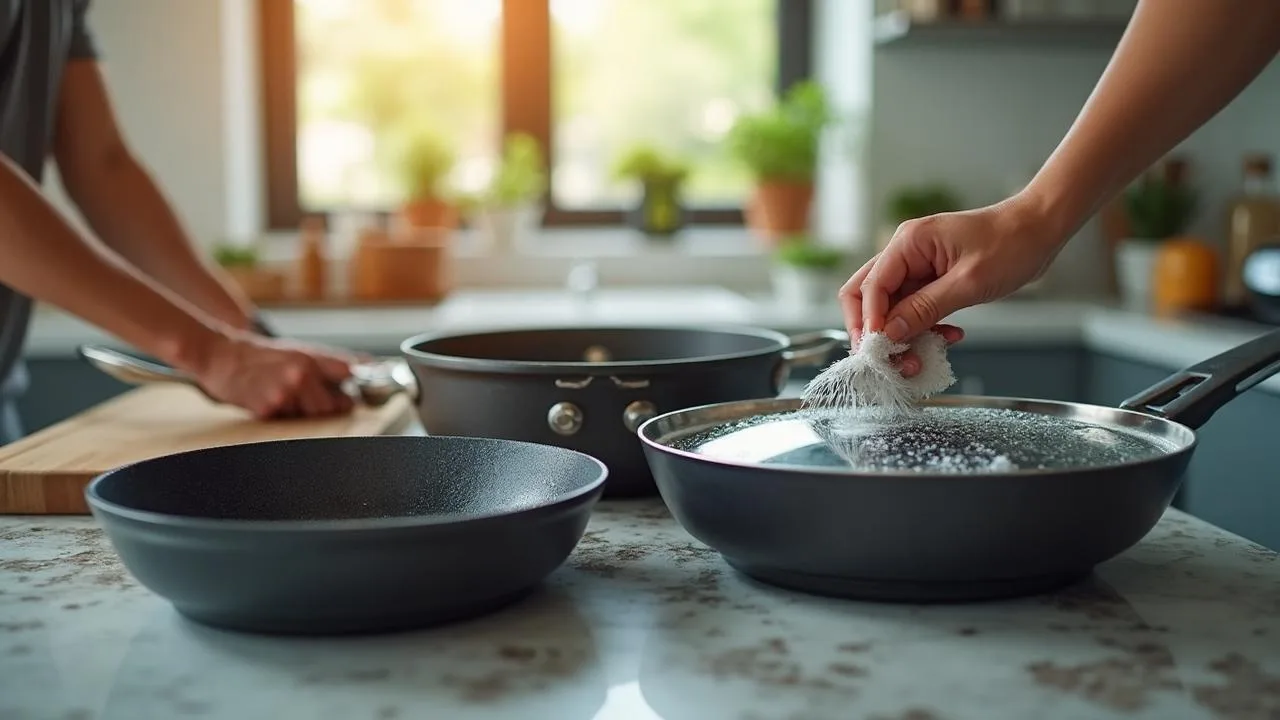
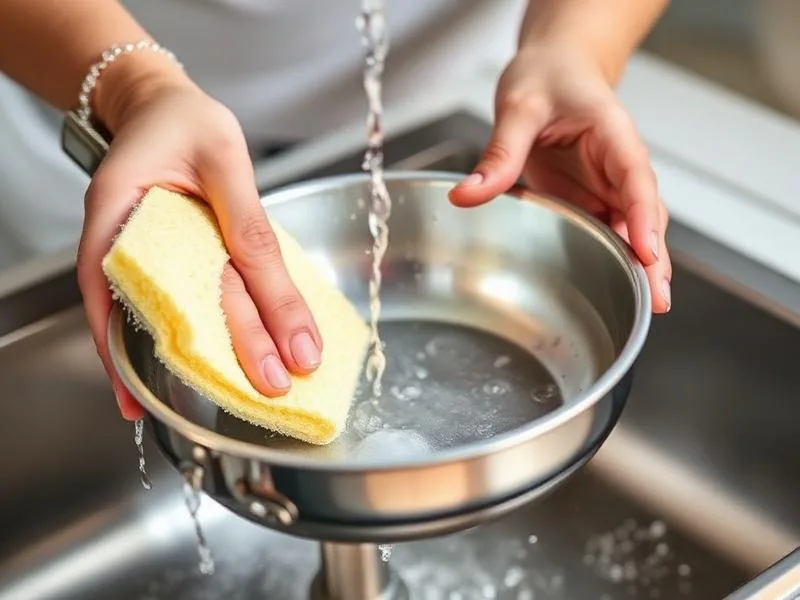
Always clean your non-stick cookware with soft sponges or cloths. Avoid abrasive scrubbers, steel wool, or harsh brushes that can damage the non-stick surface. A gentle dish soap and warm water are usually all you need for everyday cleaning.
Hand Washing is Best
While some non-stick pans claim to be dishwasher safe, hand washing is always the gentler option. The high heat and harsh detergents in dishwashers can gradually break down the non-stick coating over time.
Clean While Warm
For best results, clean your pan while it's still slightly warm (but not hot). This makes it easier to remove any residue without needing to scrub vigorously.
Cooking Tips to Preserve Your Pan
Use Appropriate Utensils
Wooden, silicone, or plastic utensils are ideal for non-stick cookware such as our 20cm Non-Stick Aluminium Fry Pan. Avoid metal utensils that can scratch the surface, even if the coating is marketed as scratch-resistant.
Moderate Heat is Key
Non-stick pans work best on low to medium heat. High temperatures aren't necessary and can actually damage the coating over time. Preheating your pan for 1-2 minutes on medium heat is sufficient for most cooking tasks — gentle heat is especially important for delicate items like our Non-Stick Aluminium Blini and Single Egg Pan.
Add a Little Fat
While non-stick pans require less oil than traditional cookware, adding a small amount of butter or oil not only enhances flavour but also helps protect the coating and distribute heat evenly. This is especially helpful in deeper pans like our 20cm Non-Stick Saucepan with Glass Lid.
Proper Storage Solutions
Stack Carefully
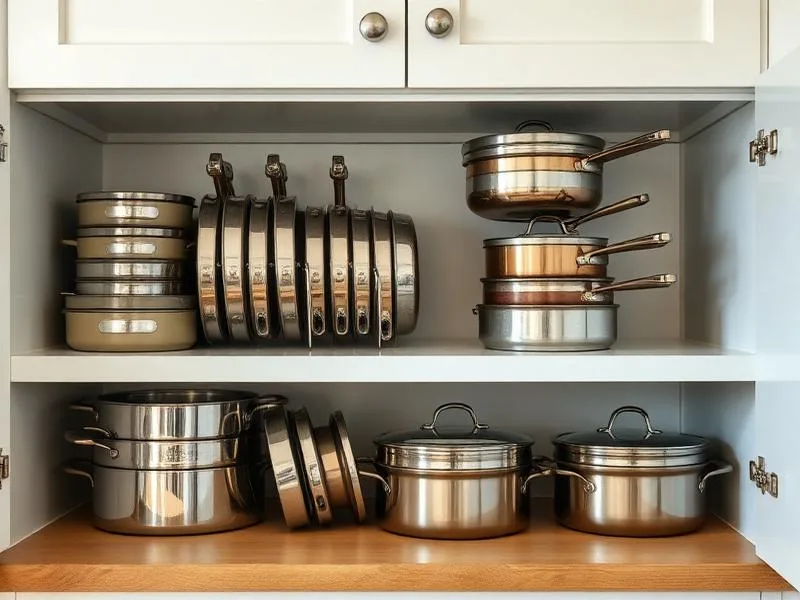
If you need to stack your pans, place a soft cloth, paper towel, or pan protector between each piece. This prevents scratches and protects the non-stick surface from damage.
Hang When Possible
If you have the space, hanging your pans is an excellent storage solution. It prevents stacking damage and makes your cookware easily accessible.
When to Replace Your Pan
Even with proper care, non-stick coatings will eventually wear out. Signs that it's time to replace your pan include:
- Visible scratches or peeling in the coating
- Food beginning to stick regularly
- Warping or damage to the pan base
- Discolouration that doesn't clean off
MK Quality Guarantee
All MK Cookware non-stick products are manufactured to the highest standards in our West Midlands facility, from everyday fry pans to speciality pieces like our 4-Cup Non-Stick Egg Poacher. We use premium materials and rigorous quality control to ensure every pan meets our exacting standards. With proper care, your MK cookware will provide years of reliable service.
Final Thoughts
Caring for your non-stick cookware doesn't require much effort, but it does require consistency. By following these simple guidelines, you'll protect your investment and enjoy superior cooking performance for years to come. Remember, quality British-made cookware deserves quality care.
Have questions about caring for your specific MK product? Don't hesitate to contact our team at 0121 572 2400. We're always happy to help our customers get the most from their cookware.
Found this helpful?
Share this article with fellow cooking enthusiasts